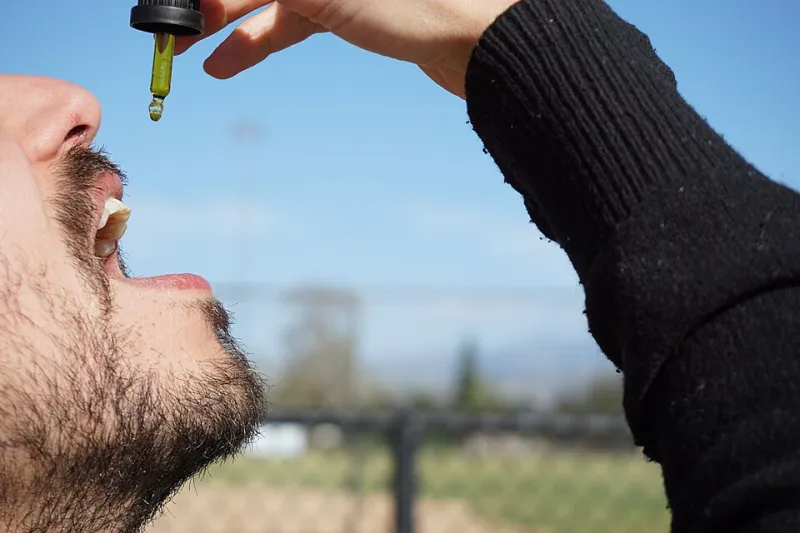
Same Plant, Totally Different Story: What Every American Should Know About Hemp and Marijuana
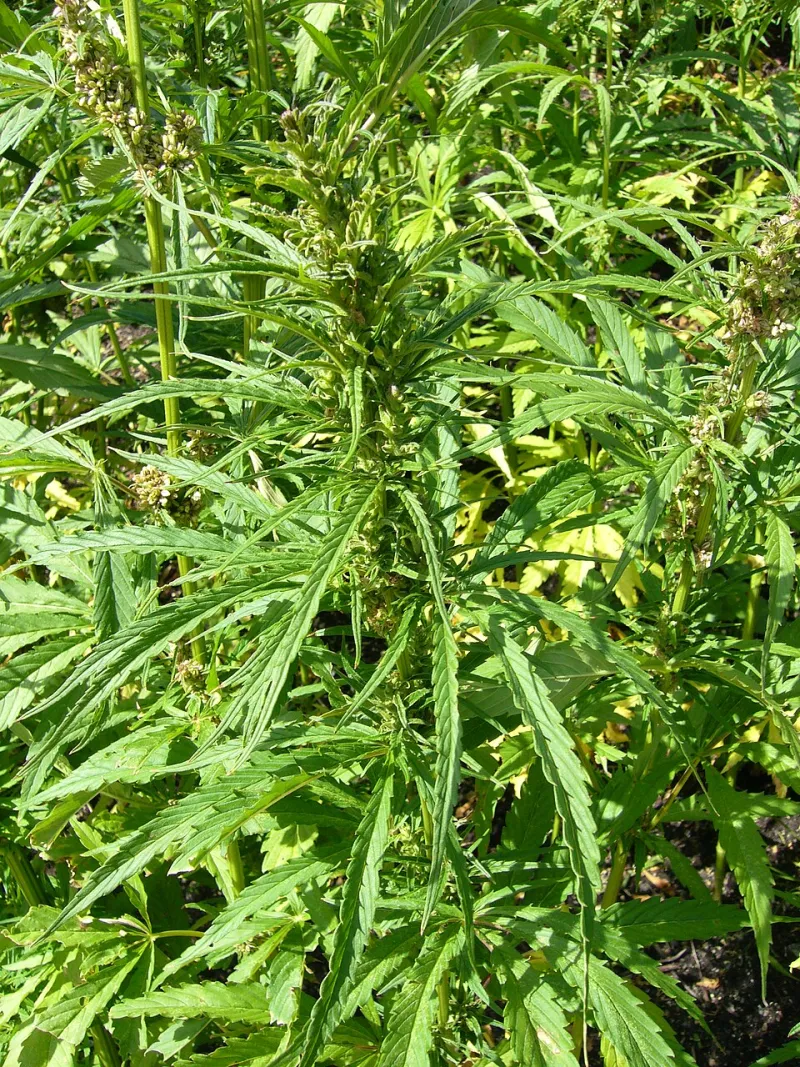
Photo: Nabokov, Public domain, via Wikimedia Commons
If you've ever hesitated before clicking "add to cart" on a CBD product — wondering whether it's legal, whether it'll show up on a drug test, or whether you're accidentally buying something that belongs in a dispensary — you're not alone. This kind of confusion is one of the biggest barriers stopping everyday Americans from exploring hemp wellness. And honestly? It's completely understandable.
The internet is full of half-answers, and the topic sits at the intersection of botany, chemistry, and federal law. So let's slow down and actually work through it.
They're Cousins, Not Twins
Both hemp and marijuana belong to the Cannabis sativa plant species. That shared lineage is the root of most of the confusion. But just because two plants share a family tree doesn't mean they behave the same way — think of it like the difference between a jalapeño and a bell pepper. Same species, wildly different experience.
The defining difference comes down to one molecule: tetrahydrocannabinol, better known as THC. THC is the psychoactive compound responsible for the "high" associated with marijuana. Hemp plants naturally contain very low levels of THC, while marijuana is selectively cultivated to produce much higher concentrations.
Under the 2018 Farm Bill — the federal legislation that changed everything for the hemp industry — the legal definition of hemp is a cannabis plant containing 0.3% THC or less by dry weight. Anything above that threshold is classified as marijuana and falls under a completely different set of federal regulations.
That 0.3% figure might sound arbitrary, but it's the bright line that separates a federally legal wellness product from a controlled substance. And it's why hemp-derived CBD products are sold openly across all 50 states while marijuana remains restricted at the federal level.
What the 2018 Farm Bill Actually Did
Before 2018, hemp was lumped in with marijuana as a Schedule I controlled substance under the Controlled Substances Act. Farmers couldn't legally grow it. Companies couldn't legally sell it. The entire industry was essentially frozen.
The Farm Bill changed that. It removed hemp from the controlled substances list, authorized states to create their own hemp cultivation programs, and opened the door for a legal, nationwide hemp wellness market. That's the foundation on which companies like USA Buy CBD Oil operate today.
It's worth noting that the FDA still has regulatory authority over CBD as a food additive or dietary supplement — and that framework is still evolving. But the core takeaway is this: hemp-derived CBD products with 0.3% THC or less are federally legal in the United States. You don't need a medical card. You don't need to live in a legal marijuana state. You can order them online and have them delivered to your front door.
CBD: The Compound That's Driving the Wellness Conversation
So where does CBD fit into all of this?
Cannabidiol (CBD) is one of over 100 naturally occurring compounds called cannabinoids found in the cannabis plant. Unlike THC, CBD is non-intoxicating — meaning it won't get you high, no matter how much you take. Hemp plants are naturally rich in CBD, which is why hemp is the source material for virtually all the CBD wellness products you'll find at retailers and online marketplaces.
Researchers and consumers alike have become interested in CBD for its potential to support everyday wellness — things like sleep quality, stress response, and post-activity recovery. It's important to note that CBD products (outside of one FDA-approved prescription drug called Epidiolex) are not intended to diagnose, treat, or cure any medical condition. But as a wellness supplement? The interest is real, and it's growing fast.
The Misconceptions That Keep People on the Sidelines
Let's address a few of the big ones directly:
"CBD will make me feel high." Not from a hemp-derived product. The trace amounts of THC in compliant hemp products are far too low to produce any psychoactive effect. Full-spectrum products do contain those trace amounts, but broad-spectrum and isolate products eliminate THC entirely.
"It's basically the same as smoking weed." Chemically and experientially, they're very different. Marijuana products are engineered for high THC content. Hemp CBD products are cultivated and processed specifically to minimize THC while maximizing beneficial cannabinoids and terpenes.
"It's illegal in my state." Hemp-derived CBD with under 0.3% THC is federally legal. A small number of states have placed their own additional restrictions, so it's always smart to check your local regulations — but for the vast majority of Americans, hemp CBD is completely accessible.
"I'll fail a drug test." This one requires a nuanced answer. Standard drug tests screen for THC metabolites. Products labeled as THC-free (broad-spectrum or isolate) carry minimal risk. Full-spectrum products contain trace THC that could theoretically accumulate with heavy use. If drug testing is a concern in your life, stick to verified THC-free formulations and always check third-party lab reports.
Why the Source Material Matters
When you shop for CBD products at USA Buy CBD Oil, every product in our marketplace is derived from legally grown industrial hemp — not marijuana. That distinction isn't just a legal technicality; it shapes the entire product, from the cannabinoid profile to the THC content to the compliance paperwork behind it.
Reputable hemp CBD products come backed by Certificates of Analysis (COAs) from independent third-party labs that verify exactly what's in the bottle. These documents confirm THC levels, CBD potency, and the absence of harmful contaminants like pesticides or heavy metals. If a product doesn't have one, that's a red flag worth paying attention to.
The Bottom Line
Hemp and marijuana are not the same thing — legally, chemically, or experientially. Hemp-derived CBD sits squarely in the wellness category: federally legal, non-intoxicating, and available nationwide. The confusion between the two has kept a lot of curious, health-conscious Americans from exploring products that might genuinely support their day-to-day wellbeing.
Now that you've got the full picture, the only thing left is to find the product that fits your life. And that's exactly what we're here to help with.