Meet the American Farmers Growing Your CBD — and Why Their Soil Matters to You
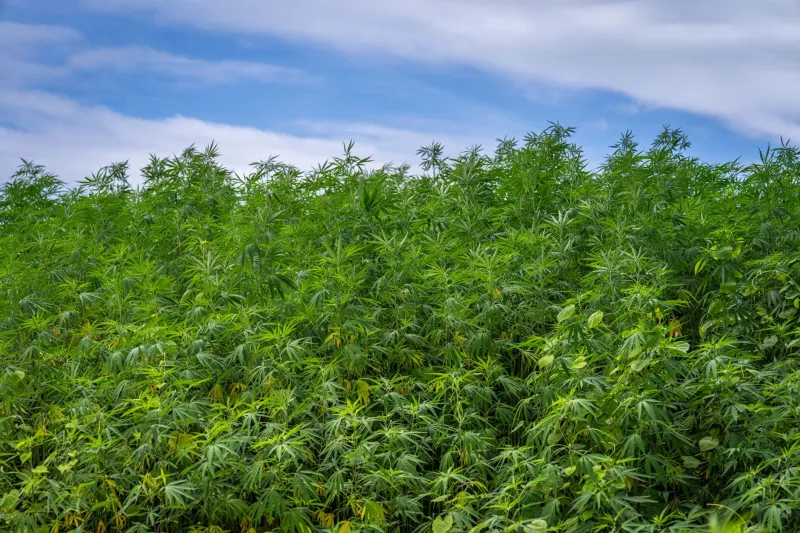
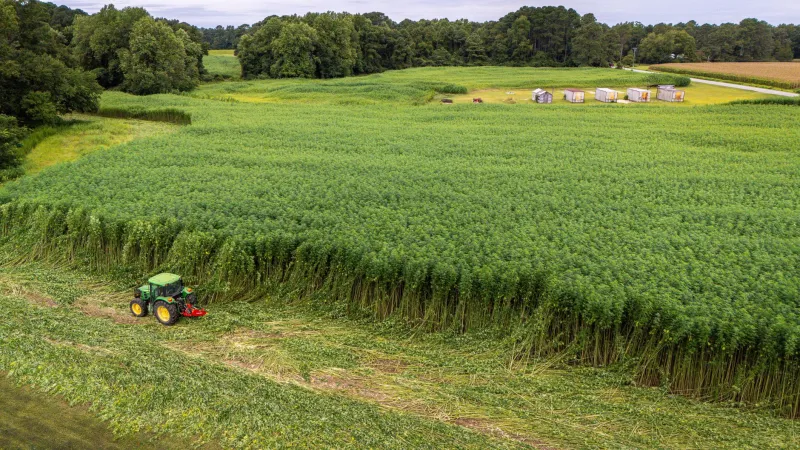
Somewhere in central Kentucky, a third-generation tobacco farmer is walking rows of hemp instead of burley leaf for the first time in his family's history. A few time zones west, a Colorado grower is checking irrigation lines on a plot that sat fallow for years before the 2018 Farm Bill changed everything. These are the people behind the CBD oil in your cabinet — and honestly, most of us have never thought about them.
That's a mistake. Because when it comes to CBD quality, the farm matters more than the marketing.
The Farm Bill Flipped the Switch
Before December 2018, growing hemp in America was essentially illegal outside a handful of research pilot programs. Farmers who wanted in had to navigate state-by-state experiments and heavy federal oversight. Then the Agriculture Improvement Act of 2018 removed hemp — defined as cannabis with less than 0.3% THC — from the controlled substances list.
Suddenly, American agriculture had a new cash crop. States like Kentucky, Colorado, Oregon, Tennessee, and North Carolina saw licensing applications surge almost overnight. Former tobacco fields in the Bluegrass State became hemp plots. Colorado's existing cannabis infrastructure pivoted toward CBD-focused cultivation.
For farmers, it wasn't just a new crop — it was often a lifeline. Tobacco revenue had been shrinking for decades, and hemp offered a legal path forward that used the same hands-on, labor-intensive know-how many families had built over generations.
Three States, Three Very Different Growing Games
Kentucky has deep hemp roots — the crop was grown there long before it was ever banned. Today, its farmers lean on that heritage, with a climate and limestone-rich soil that suits hemp well. Many Kentucky operations emphasize small-batch, hand-tended flower destined for extraction into full-spectrum oils.
Colorado took a different route. With a legal cannabis market already in place, the state had processors, labs, and experienced growers ready to scale fast. That infrastructure means Colorado hemp often moves from field to extract more efficiently, which can mean fresher product reaching consumers.
Oregon brings a craft-agriculture mindset. Think of it like the state's wine industry — plenty of boutique farms, careful phenotype selection, and a focus on specific cannabinoid and terpene profiles. Oregon growers often experiment more, which pushes innovation across the whole industry.
Different approaches, same goal: clean, potent, American-grown hemp.
Why Farm Origin Should Be on Your Radar
Here's the practical part. Hemp is what botanists call a bioaccumulator — it pulls compounds out of the soil, both the good and the bad. Grow it in contaminated ground, and heavy metals or pesticide residues can end up concentrated in the plant. That's the last thing you want in an oil you take every day.
American farms operate under EPA environmental standards and state agriculture department oversight, and reputable producers run third-party lab tests on every harvest. When you buy CBD that's genuinely grown and processed in the USA, you're stacking the deck in your favor: traceable supply chain, regulated farmland, and lab results you can actually verify.
Compare that to imported hemp from countries with lax agricultural rules, and the case for domestic becomes pretty clear.
How to Shop Like You Know the Farmer
So how do you put any of this to use at checkout? A few habits worth building:
-
Look for origin statements. Brands proud of their supply chain will tell you exactly where the hemp was grown — down to the farm or co-op. Vague phrases like "sourced from premium hemp" with no location? Proceed with caution.
-
Match lab reports to batches. A quality certificate of analysis should include a batch number you can cross-check, confirming the oil in your bottle came from the tested harvest.
-
Favor vertically integrated or partner-farm brands. When a company works directly with named growers rather than buying anonymous bulk biomass, there's real accountability at the source.
-
Ask about extraction, too. Grown-in-America is half the story; clean CO2 or ethanol extraction done in domestic facilities completes it.
Real People, Real Stakes
There's a human side to all this, and it's worth remembering. Many of these growers took genuine financial risks — hemp seed was scarce, processing capacity was limited, and early seasons were full of trial and error. Some lost crops to over-legal THC levels. Others watched the market flood and prices drop. The ones still standing have earned their spot through persistence.
When you choose CBD from a traceable American farm, you're not just buying a wellness product. You're supporting rural communities from the Bluegrass to the Willamette Valley, and rewarding the kind of transparency the industry needs more of.
The next time you're comparing bottles, flip it over and ask the question most shoppers skip: whose field did this come from? The answer tells you a lot.