Don't Let Your CBD Go to Waste: The Smart American's Guide to Keeping Oil Fresh and Potent
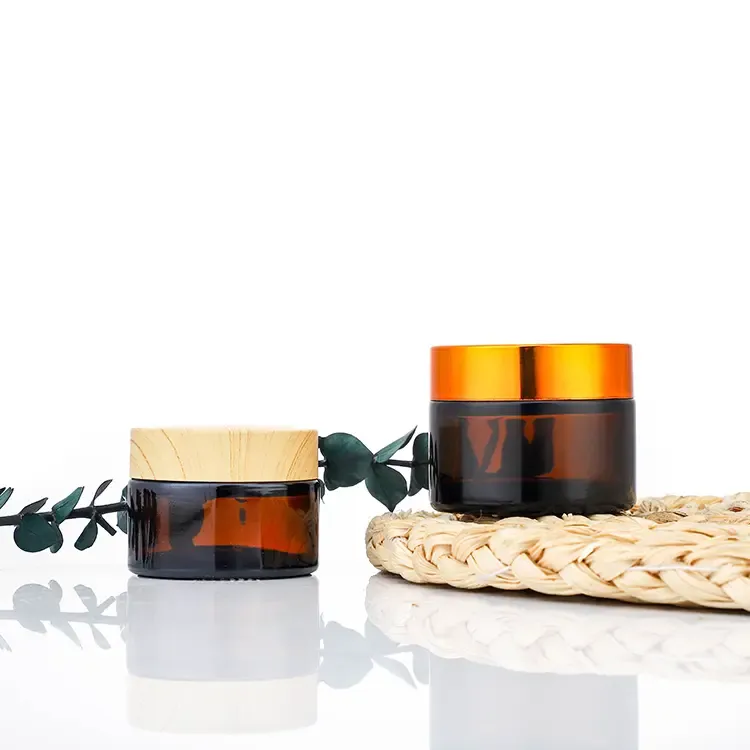
Photo: CBD oil dark glass bottle storage cabinet natural light, via www.gltglassbottle.com
Your CBD Oil Has an Expiration Date — And It's Not Just a Suggestion
Most Americans grab their CBD oil, pop it in a kitchen cabinet or on the bathroom counter, and don't give storage a second thought. Totally understandable. But here's the thing: cannabidiol is a naturally occurring compound that breaks down over time, and the way you store your oil has a massive impact on how long it stays effective.
CBD oil typically has a shelf life somewhere between one and two years, depending on the quality of the product, the carrier oil used, and — you guessed it — how it's been stored. Get those conditions right, and you'll squeeze every last milligram of value out of your bottle. Get them wrong, and you might be dosing yourself with something that's about as useful as salad dressing.
Let's break it down.
The Three Enemies of CBD Potency
Before we get into what to do, it helps to understand what you're protecting your oil from. There are three main culprits that degrade CBD over time:
Heat — High temperatures accelerate the breakdown of cannabinoids. Leaving your oil near the stove, in a hot car, or on a sunny windowsill is basically fast-tracking it toward uselessness.
Light — UV radiation is particularly destructive to CBD. That's actually why most quality products come in dark amber or cobalt glass bottles — the tinted glass is doing real work to block those rays.
Air (Oxidation) — Every time you open your bottle, oxygen gets in. Over time, repeated exposure causes oxidation, which degrades the cannabinoids and can also turn the carrier oil rancid.
Keep those three factors in mind, and every storage decision you make will start to feel pretty intuitive.
The Best Places to Store CBD Oil at Home
A Cool, Dark Drawer or Cabinet
This is your go-to option for everyday storage. A kitchen cabinet away from the stove, a bathroom drawer away from direct light, or a bedroom nightstand all work well. The key is consistency — you want a spot that stays relatively cool (ideally between 60°F and 70°F) and doesn't get blasted with light every time you open the door.
The Refrigerator
If you buy in bulk or live somewhere with a warm climate, the fridge is actually a solid option. Cold temperatures slow the degradation process significantly. The main downside? CBD oil can thicken or even become slightly cloudy when chilled. Don't panic — that's totally normal. Just let the bottle sit at room temperature for a few minutes before you use it and it'll return to its usual consistency.
What About the Freezer?
Technically, yes, you can freeze CBD oil for very long-term storage. But it's overkill for most people. The repeated freeze-thaw cycles can mess with the texture and potentially affect quality over time. Stick to the fridge unless you're stashing a serious stockpile.
Container Matters More Than You Think
If your CBD oil came in a dark glass bottle with a tight-fitting dropper cap — good news, it was packaged with longevity in mind. Dark glass (amber or cobalt blue) blocks UV light, and glass itself doesn't interact chemically with the oil the way some plastics can.
Here's a pro tip: don't transfer your oil into a different container unless you absolutely have to. The original packaging was chosen for a reason. If you do need to transfer it — say, for travel — use a small, dark glass bottle with an airtight seal.
Also, try to keep the dropper clean. Contaminating the oil with bacteria from your mouth or dirty hands can shorten its life considerably. Dispense your dose into a spoon or directly under your tongue without letting the dropper touch anything.
Simple Habits That Make a Big Difference
- Always close the cap tightly after each use. Sounds obvious, but it's easy to get lazy about this.
- Don't leave the bottle sitting out on a counter for extended periods, even if it's just a day or two.
- Avoid shaking the bottle vigorously — gentle rotation is all you need to mix the oil if it's separated.
- Keep it upright to reduce the amount of oil that coats the cap and potentially oxidizes.
- Buy sizes you'll actually use within a year. Buying a giant bottle to save a few bucks isn't worth it if half of it degrades before you get to it.
How to Tell If Your CBD Oil Has Gone Bad
This is where a lot of people get caught out. Degraded CBD oil usually won't make you sick, but it definitely won't deliver the results you're expecting. Here are the red flags to watch for:
Smell — Fresh CBD oil has a mild, earthy, slightly grassy scent (more pronounced with full-spectrum products). If it smells sour, musty, or off in any way, the carrier oil has likely gone rancid. Trust your nose.
Color — Some darkening over time is normal, especially with full-spectrum oils. But if it's turned noticeably murky, cloudy at room temperature, or has developed an unusual hue, that's a sign something's off.
Taste — Bitter or unpleasant in a way that's different from the usual hemp flavor? Not a great sign.
Texture — If the oil has become thick and sludgy at normal room temperature (not just because it was in the fridge), the carrier oil may have degraded.
Expired date — Always check the label. Reputable brands include a best-by date, and you should actually pay attention to it.
When in doubt, toss it. A bottle of degraded CBD oil isn't doing anything for your wellness routine — it's just taking up space.
Protecting Your Investment Starts at Purchase
One last thing worth mentioning: storage is only part of the equation. You're also fighting an uphill battle if you start with a low-quality product. Look for CBD oils that come with third-party lab reports (called Certificates of Analysis), are packaged in dark glass, and include a clear best-by date. Quality manufacturers care about how their product holds up, and it shows in how they package and label it.
At USA Buy CBD Oil, we make it easy to find products that are built to last — from the hemp farm all the way to your cabinet. Because when you're investing in your health, you deserve a product that's still working hard on day 300, not just day one.